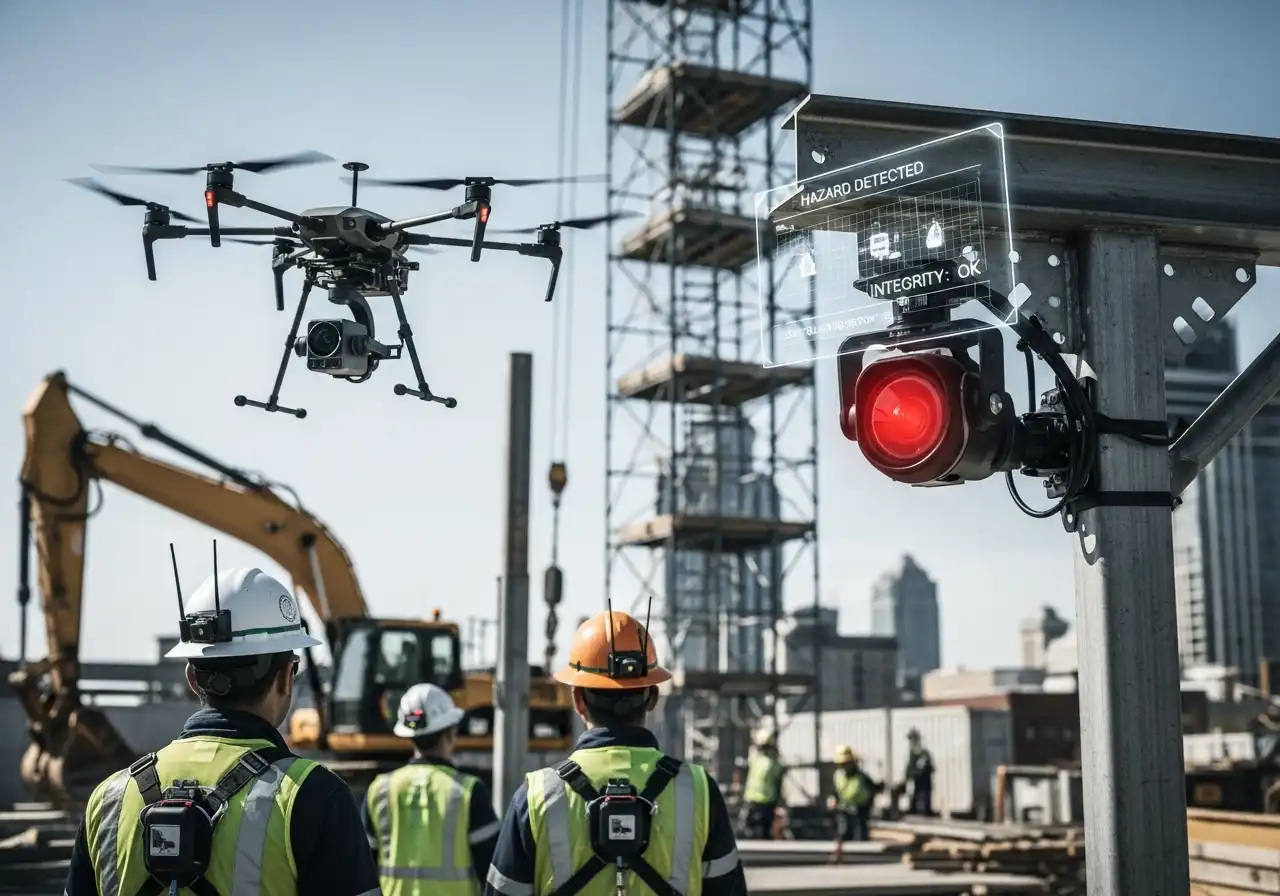
The construction industry is embracing innovation at a rapid pace. Artificial intelligence (AI) and digital monitoring technologies are changing how construction sites operate, helping companies detect hazards, prevent accidents, and keep workers safer. For construction workers who suffer injuries, these technologies may also play a crucial role in investigating what went wrong and determining liability.
The Growing Role of AI in Construction Site Safety
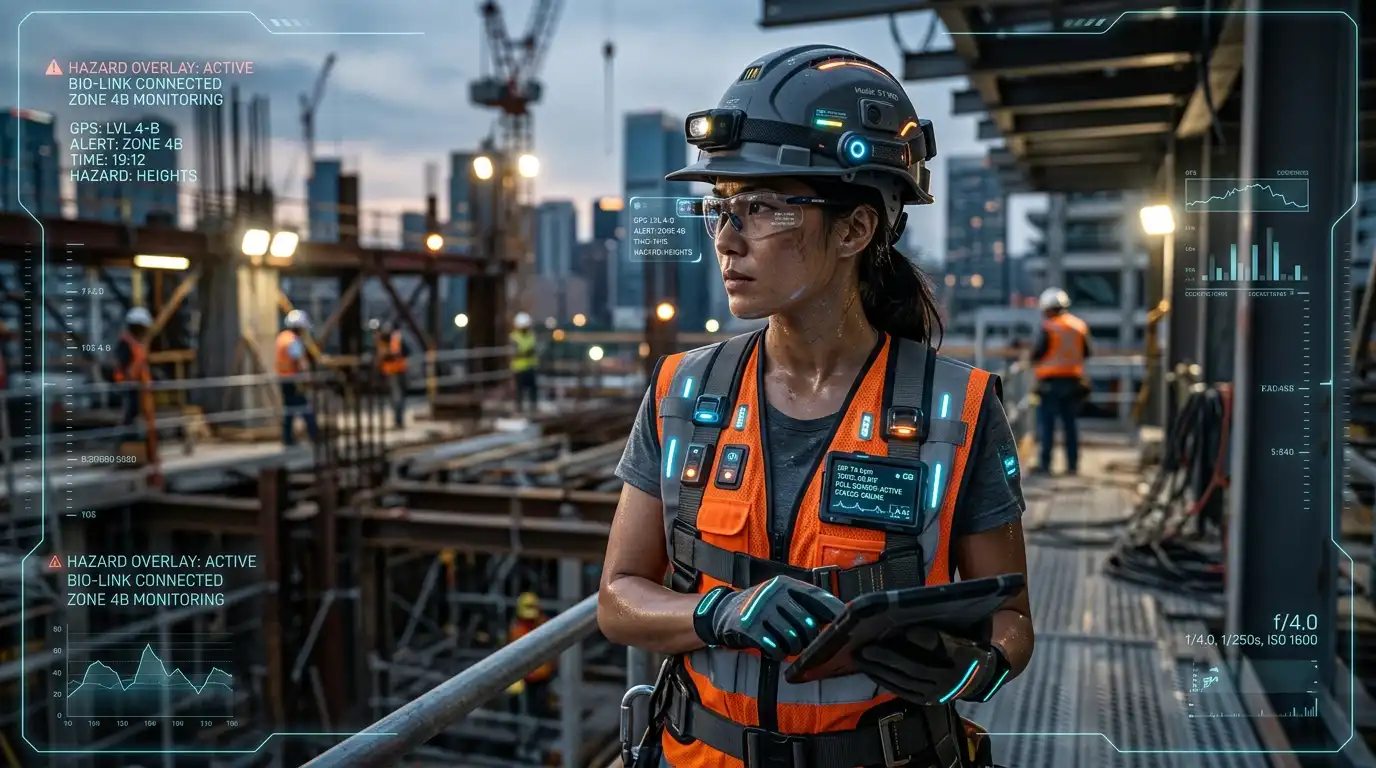
 AI technologies are reshaping nearly every industry, and construction is no exception. Modern job sites use AI to automate inspections, predict hazards, and analyze real-time data from drones, cameras, and wearable sensors. For example, computer vision algorithms can now detect unsafe scaffolding structures or workers not wearing proper gear.
Some common AI-driven safety tools include:
- AI-based visual monitoring systems that analyze video feeds to detect unsafe behaviors such as workers entering restricted zones or neglecting to wear safety equipment.
- Drone inspections that capture detailed images of construction sites, which are processed using AI to detect cracks, instability, or unsafe configurations in scaffolding and heavy equipment.
- Predictive analytics tools that assess environmental data such as temperature, vibration, and machinery movement to predict where accidents are likely to occur.
- Wearable devices that track worker movement, fatigue, or exposure to hazardous conditions, automatically alerting supervisors when safety thresholds are exceeded.
These technologies may not only prevent injuries but also create valuable digital records that can clarify how an incident occurred — and whether safety standards were properly followed.
How AI Can Help Identify Negligence After an Accident
In many construction accident cases, one of the main challenges is proving who was responsible for a hazardous condition. AI-generated data and inspection logs can provide objective evidence that helps clarify responsibility.
For example, if an AI-powered system flagged a risk — such as unstable scaffolding — but a contractor ignored the warning, that digital alert may support a negligence claim. Similarly, if drone footage or sensor data shows a lack of regular inspections, an injured worker’s legal team may argue that safety obligations were neglected.
By contrast, when a company fails to implement these emerging technologies, that omission itself may demonstrate outdated or insufficient safety practices, particularly if similar companies already use AI monitoring tools to enhance site safety.
What Injured Workers Should Know About AI in Accident Investigations
If you are injured on a construction site, it may be useful to ask whether any digital or AI systems were in use at the time of the incident. These records can provide critical evidence in workers’ compensation and third-party liability claims.
Questions to consider include:
- Did the employer or contractor use AI monitoring tools, such as drone inspections or wearable sensors?
- Were there digital inspection logs or alerts before the accident occurred?
- Were supervisors or safety officers notified of any hazards by these systems?
- Were contractors or subcontractors responsible for maintaining AI systems that failed to detect or report a hazard?
Gathering answers to these questions may help determine whether a preventable hazard existed — and who was accountable for failing to act.
Legal Implications of AI Monitoring in Construction
 The introduction of AI also raises new legal questions. If an AI system malfunctions, who bears responsibility — the construction company, the software provider, or the safety manager who relied on it?
Lawyers handling construction injury claims increasingly examine digital records, sensor data, and system logs to identify negligence. This data-driven approach may reveal whether safety alerts were ignored or whether inspection intervals were inadequate.
As AI becomes more common, courts may view digital safety monitoring as part of a reasonable standard of care. Failing to adopt available AI tools might be considered negligence in the near future, especially if such technology could have prevented an injury.
What To Do After A Construction Site Injury
Even in a highly technological environment, traditional steps remain critical after any construction accident. Injured workers should take the following actions:
- Seek Immediate Medical Attention – Get medical care promptly and keep all records of diagnosis, treatment, and follow-up care.
- Report the Accident – Notify your employer or site supervisor as soon as possible and ensure that an incident report is filed.
- Document the Scene – Take photos and videos of your surroundings, equipment, and any hazards that may have contributed to the accident.
- Ask About Digital Records – Inquire whether drones, sensors, or AI monitoring systems were active during your shift, and if data from those systems can be preserved.
- Consult a Construction Accident Lawyer – Legal guidance may help identify which parties could be liable, including contractors, property owners, or technology vendors.
Digital safety tools may make construction sites safer, but they also add new layers of evidence that can shape the outcome of legal claims.
Connecting With the Right Legal Guidance
Handling an injury case that involves AI and digital evidence can be complex. A lawyer who understands construction law and emerging technologies may be better equipped to identify the relevant data and use it effectively in your case. The presence or absence of AI-based monitoring may influence the strength of a claim and determine whether multiple parties share responsibility.
AI and digital safety tools are transforming the construction industry. They can prevent accidents, improve oversight, and create vital records that clarify how incidents happen. For injured workers, understanding how these systems operate — and whether they were used — may play an essential role in achieving a fair outcome after a construction site injury.
Technology is advancing quickly, but the need for accountability remains the same. When used responsibly, AI can make worksites safer for everyone. When ignored or misused, it can expose gaps in safety practices that put workers at risk.