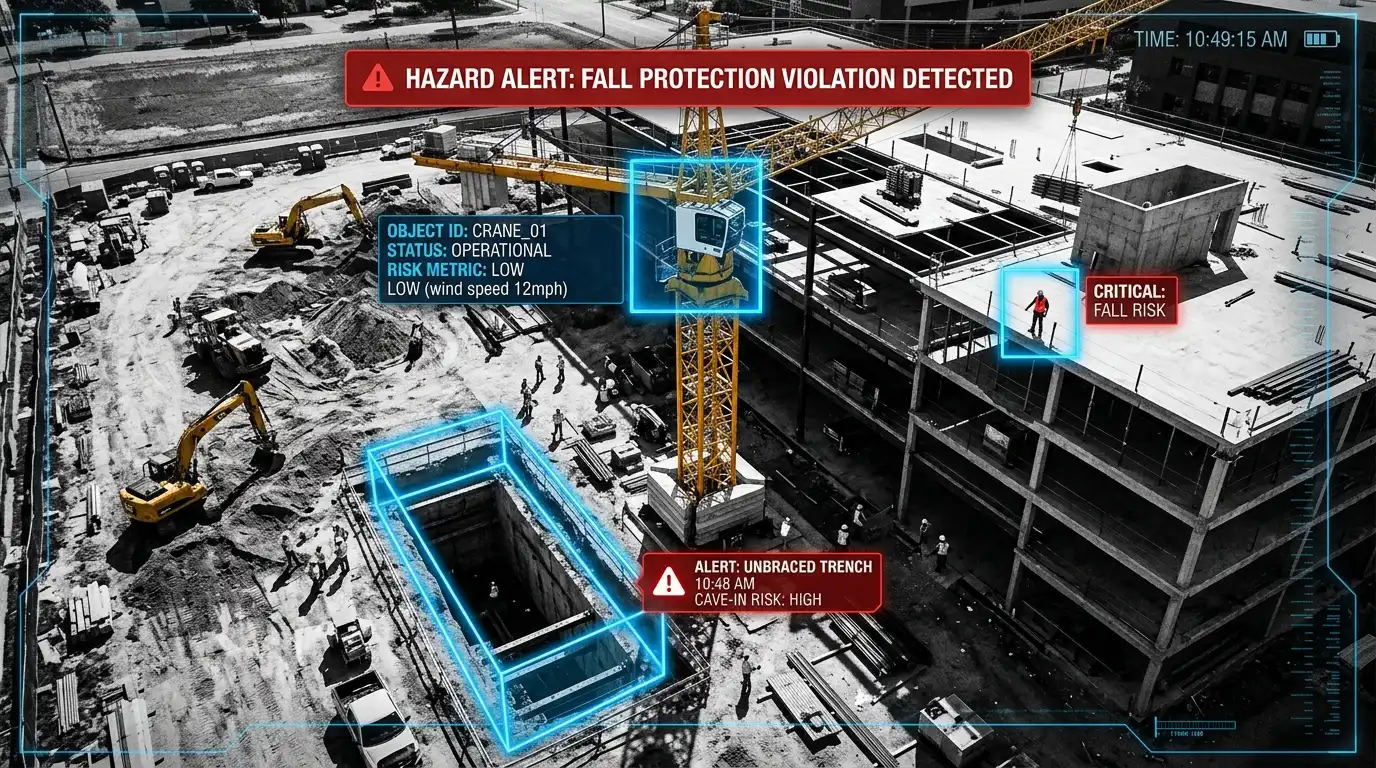
In April 2026, the Department of Labor sent a shockwave through the California construction industry. A Newport Beach-based general contractor was ordered to pay over $468,000 in back wages and liquidated damages to 137 workers after a federal probe uncovered systemic wage theft, unpaid overtime, and illegal retaliation. This landmark case isn’t just an isolated incident; it represents the 2026 legal reality of the “Total Site Accountability” movement.
For decades, many general contractors (GCs) operated under a legal shield, believing that the labor violations of their subcontractors were not their responsibility. However, as we move through 2026, California courts and federal investigators have officially dismantled that shield. If you are a worker being denied your fair pay, or a contractor trying to navigate these shifting sands, understanding the Joint Employer Doctrine is now a financial necessity.
The $468k Newport Beach Case: A Warning to the Industry

The Newport Beach investigation revealed a “fissured workplace” where the primary contractor utilized a web of smaller subcontractors to perform the bulk of the labor. While the subcontractors were the ones directly failing to pay overtime, the Department of Labor held the general contractor liable. The probe found that the GC exercised “significant control” over the daily operations, safety protocols, and scheduling of the subcontractor’s crew.
Under the 2026 interpretation of the Fair Labor Standards Act (FLSA) and California Labor Code, this level of control makes the GC a “Joint Employer.” When the subcontractor defaulted on their obligations, the GC became the “deep pocket” responsible for nearly half a million dollars in restitution.
Defining Wage Theft in the 2026 Construction Market
Wage theft in 2026 is often more sophisticated than a simple missing paycheck. In our practice at constructioninjurylawyer.net, we see three primary methods used to exploit workers on modern California jobsites:
- The “Off-the-Clock” Push: Requiring workers to perform “pre-start” safety checks or “post-shift” tool cleanup without being clocked in. In 2026, these tasks are strictly compensable labor.
- Prevailing Wage Violations: On public works projects, contractors may misclassify a “Journeyman” as an “Apprentice” to pay a lower hourly rate, pocketing the difference from the government contract.
- Illegal Deductions: Charging workers for mandatory safety equipment, such as 2026-mandated smart PPE, which the employer is legally required to provide.
The Correlation: Why Underpaid Sites Are Dangerous Sites
There is a direct, measurable link between wage theft and physical injury. Our data shows that subcontractors who cut corners on payroll are 70% more likely to cut corners on safety equipment and fall protection. When a worker is struggling to receive their basic pay, they are often:
- Exhausted: Taking on double shifts to make up for unpaid overtime.
- Distracted: Facing financial stress that leads to lapses in judgment on high-risk sites.
- Afraid to Speak Up: Fearing that reporting a safety hazard—like structural wood rot or faulty scaffolding—will lead to further retaliation regarding their pay.
In many of our most successful 2026 injury claims, we have used evidence of wage theft to prove a “culture of negligence” that justifies punitive damages against the general contractor.
Joint Liability and the “Deep Pocket” Strategy
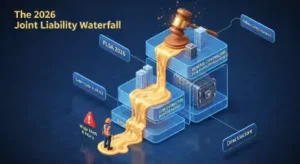 The 2026 legal landscape is designed to prevent “shell game” tactics. In California, Labor Code Section 2810.3 now makes it nearly impossible for a GC to claim ignorance of a subcontractor’s labor violations. If you are a general contractor, you are now legally required to conduct “due diligence” on your subcontractors’ financial health and payroll practices.
For the injured or underpaid worker, this is excellent news. It means your legal claim is backed by the assets and insurance of the larger general contractor, rather than a fly-by-night subcontractor who might vanish overnight. This mirrors the accountability shifts we see in other industries, such as rideshare liability, where the parent platform is increasingly held responsible for the agent’s actions.
3 Vital Steps for California Workers in 2026
If you suspect you are a victim of wage theft or if you’ve been injured on a site where pay is irregular, follow these steps to protect your future:
1. Document Everything Digitally
Don’t rely on the company’s digital check-in system, which can be altered. Use your own smartphone to take photos of your hours, the site hazards, and any communication regarding your pay. In 2026, metadata-stamped photos are the gold standard for evidence.
2. Know Your Classification
Are you truly an “independent contractor,” or are you an employee? If the GC tells you when to show up, what tools to use, and how to do your job, you are likely an employee entitled to overtime, rest breaks, and workers’ compensation protection.
3. Report Retaliation
California law regarding whistleblower protection has never been stronger. If you are threatened with termination or blacklisting for asking about your wages, the penalties against the employer are severe. Reporting through an attorney at constructioninjurylawyer.net ensures your identity is protected while we build your case.
Legal Perspective: In the April 2026 Newport Beach case, the “liquidated damages” portion of the $468k award specifically punished the employer for attempting to hide their records. Transparency is no longer a choice; it’s a requirement.
Conclusion: Standing Up for Site-Wide Justice
The $468,000 Newport Beach ruling is a clear signal that California is no longer a “safe harbor” for contractors who exploit labor to boost their margins. Whether the issue is a missing paycheck or a catastrophic fall, the law is looking up the chain of command for accountability.
Are you a construction worker who has been denied your legal wages or injured on a site with suspicious business practices? You may be entitled to significant compensation. Contact the experts at constructioninjurylawyer.net today for a free, confidential case evaluation. We hold the giants accountable.