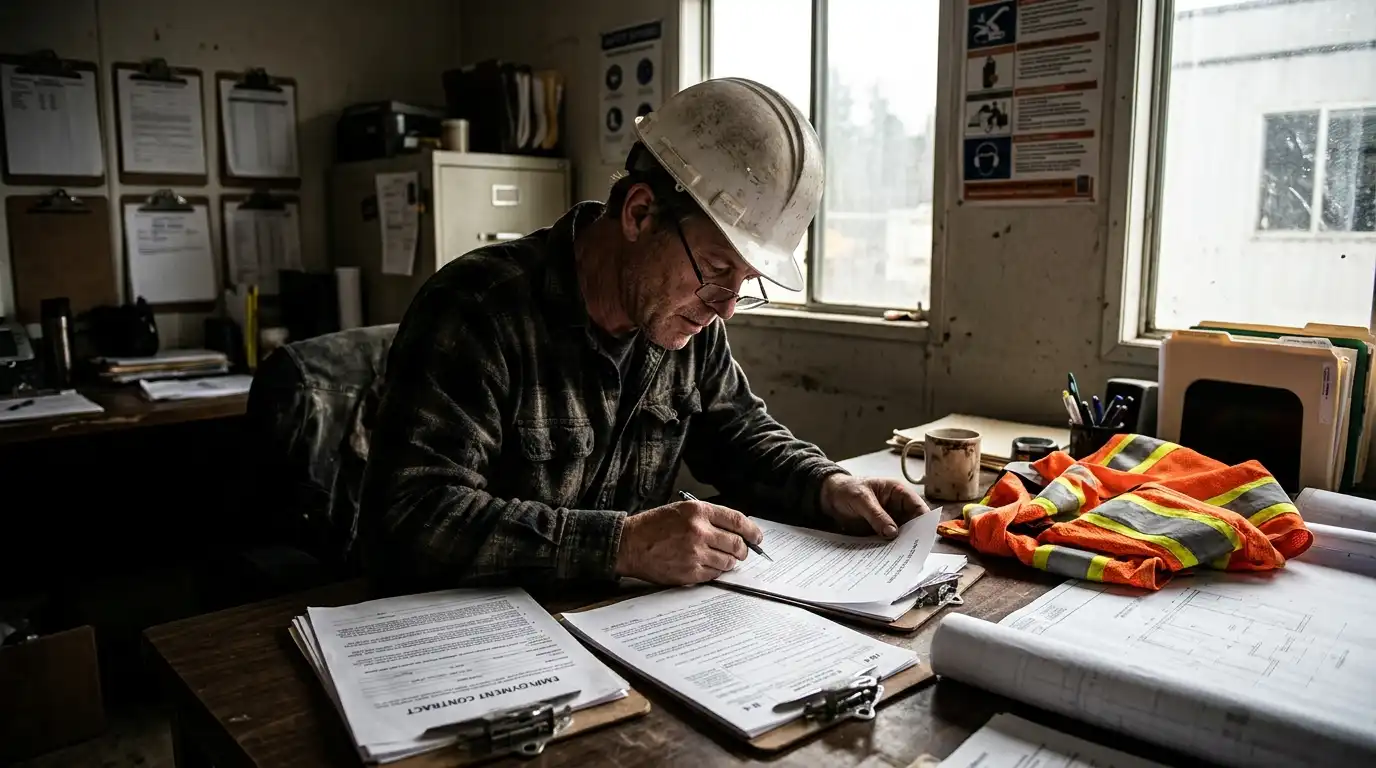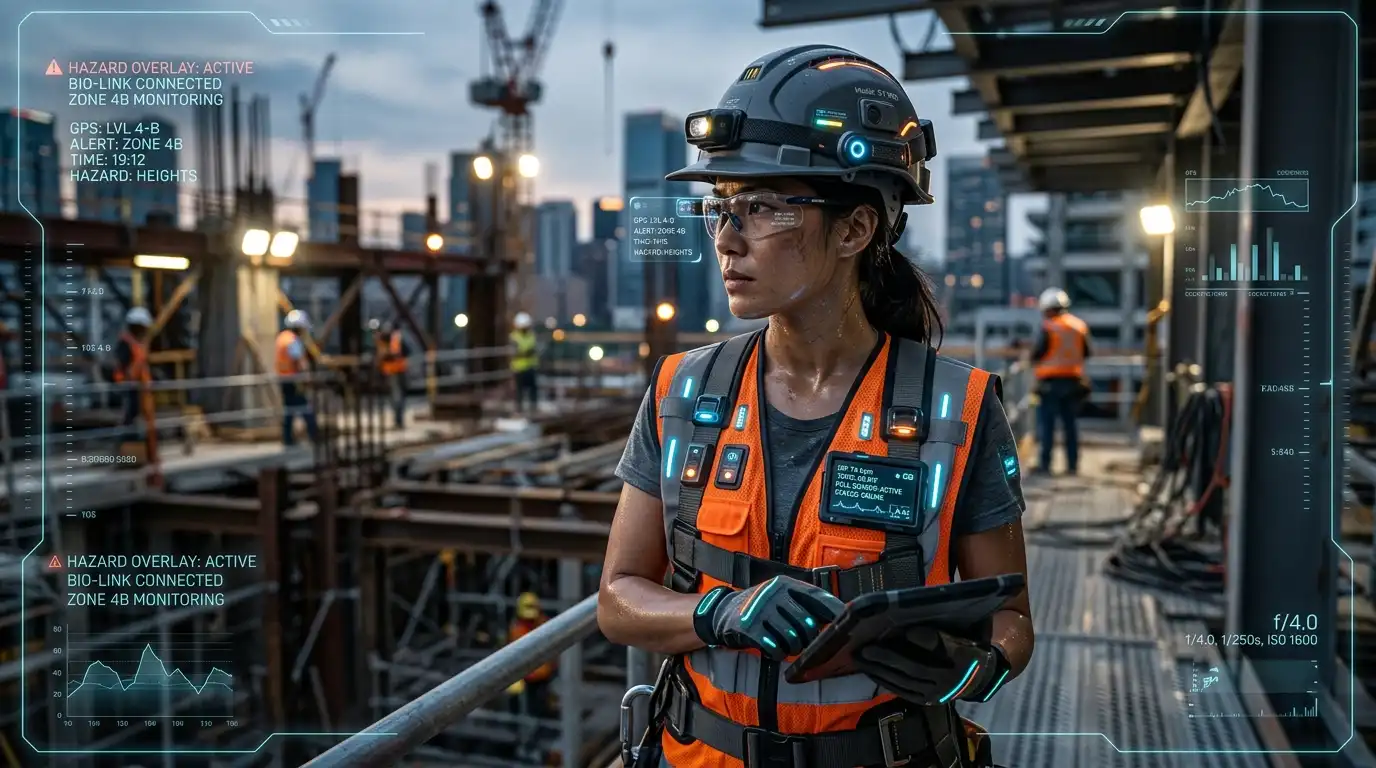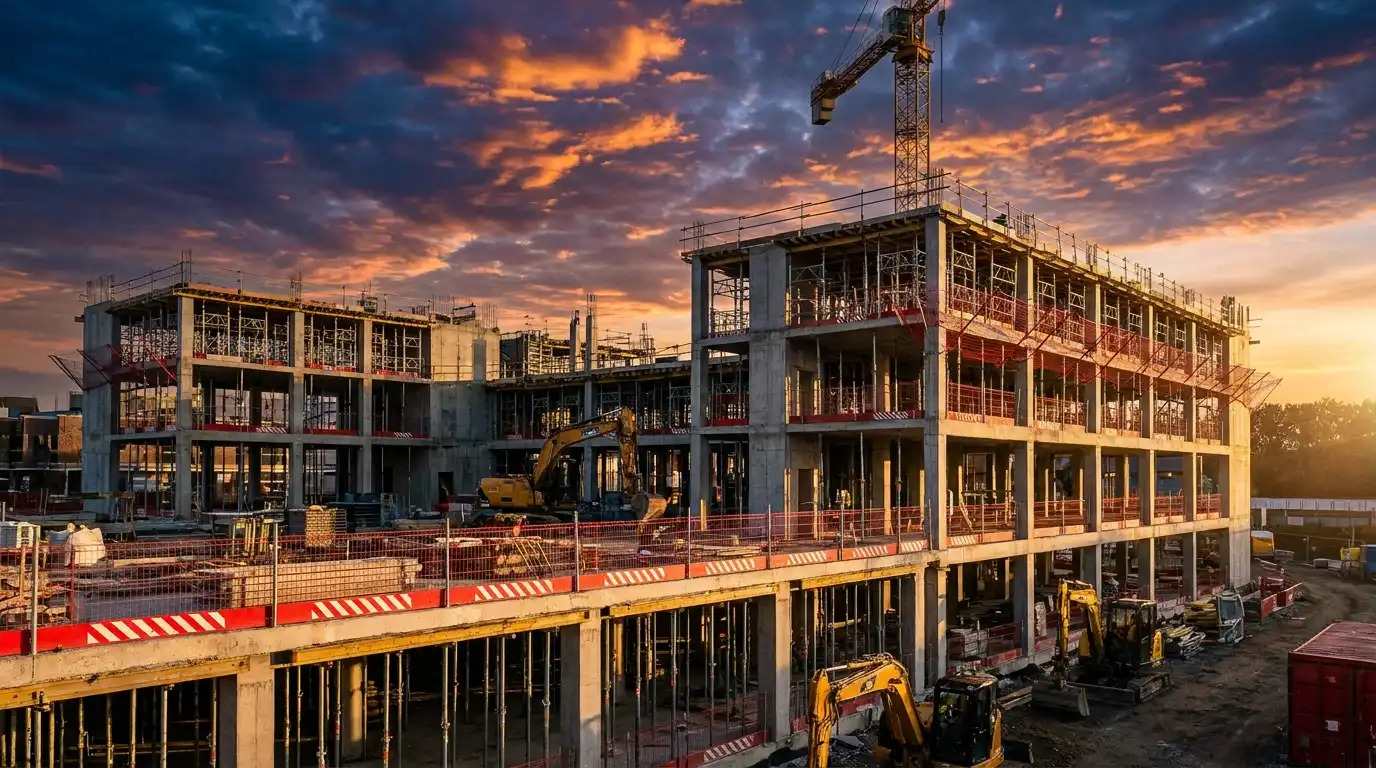
Construction sites are inherently dynamic, fast-paced, and dangerous work environments. Despite stringent federal regulations, construction consistently accounts for a disproportionate number of severe workplace injuries and job site fatalities each year. To combat these alarming risks, the Occupational Safety and Health Administration (OSHA) highlights the leading causes of death in the industry—collectively known as the “Fatal Four” hazards.
When an accident occurs on a job site, navigating the financial and legal aftermath can feel overwhelming. While workers’ compensation provides baseline medical coverage, it often falls short of covering total lost earning capacity, pain, suffering, and long-term disability. Understanding OSHA fatal four construction accidents and identifying when a third party is liable is essential to securing complete financial recovery.
What Are OSHA’s “Fatal Four” Hazards?
OSHA identifies four primary hazard categories responsible for roughly 60% of all construction worker fatalities. Preventing these incidents requires strict regulatory compliance, comprehensive daily hazard assessments, and proper safety equipment.
1. Falls (The Leading Cause)
Falls consistently rank as the top killer on construction sites, accounting for over one-third of all industry fatalities. Construction environments present constant elevation risks, including open building perimeters, unfinished roofing, mobile scaffolding, and portable ladders.
Under federal regulations, employers must provide fall protection systems—such as guardrails, safety nets, or personal fall arrest systems (PFAS)—whenever employees work at elevations of 6 feet or higher. Common safety violations include missing perimeter guardrails, improper scaffold assembly, uncovered floor openings, and failure to inspect harnesses for wear and tear. To review federal standards governing elevation risks, explore the OSHA Fall Protection Standards & Guidance.
2. Struck-By Incidents
Struck-by hazards occur when a worker experiences severe impact from a moving, flying, falling, or rolling object. Common scenarios include:
- Unsecured tools or building materials dropping from upper staging areas or scaffolding.
- Swinging crane loads, excavators, or rigging equipment.
- Backing heavy machinery, such as dump trucks, forklifts, or loaders lacking operational backup alarms or dedicated spotters.
- Debris or hardware thrown by high-powered tools or compressed-air equipment.
3. Caught-In or Caught-Between Hazards
Caught-in or caught-between events occur when a worker is crushed, pinned, or trapped between two or more objects. Trench cave-ins represent the most lethal caught-in hazard; a single cubic yard of packed soil can weigh as much as an automobile, leaving trapped workers vulnerable to suffocation and crushing injuries within seconds.
Other major threats include unguarded rotating machine components, unguarded conveyor systems, and workers getting pinned between backing equipment and permanent structures. OSHA mandates that trenches 5 feet or deeper utilize protective systems such as sloping, shoring, or trench boxes.
4. Electrocutions
Electricity is a silent killer on job sites. Construction workers often interact with temporary electrical distribution boxes, power lines, and heavy tools under harsh environmental conditions. Electrocution injuries typically stem from:
- Heavy machinery, ladders, or metal scaffolding making contact with overhead power lines.
- Using damaged, frayed, or ungrounded extension cords and power tools.
- Lack of Ground-Fault Circuit Interrupters (GFCIs) on temporary job site circuits.
- Failure to enforce Lockout/Tagout (LOTO) safety protocols during electrical maintenance or installation work.
Workers’ Compensation vs. Third-Party Personal Injury Lawsuits
Following a job site injury, workers usually file for workers’ compensation benefits. Workers’ comp is a no-fault insurance system that pays for reasonable medical care and a portion of lost wages. However, workers’ compensation does not award compensation for pain and suffering, emotional distress, or full loss of future earning capacity.
In exchange for these automatic benefits, state laws generally prohibit employees from directly suing their direct employer for negligence. However, this statutory immunity does not extend to negligent third parties who operate on or around the job site.
A third-party personal injury lawsuit allows injured workers to seek full, unrestricted financial damages—including pain and suffering—against non-employer entities responsible for causing or contributing to the accident.
Identifying Third-Party Liability in Fatal Four Accidents
Due to the complex, multi-employer structure of modern construction projects, third-party liability is frequently present in Fatal Four incidents. Non-employer parties that can be held legally accountable include:
- General Contractors & Site Managers: General contractors oversee site-wide safety protocols. If they fail to coordinate safety practices, ignore visible OSHA violations, or fail to maintain safe common areas, they may be liable for resulting injuries.
- Subcontractors: Negligent actions by a worker employed by a different trade or subcontractor (e.g., an electrician dropping tools from height or a heavy equipment operator reversing without looking) create clear grounds for a third-party claim.
- Equipment Manufacturers (Product Liability): If an accident involves defective scaffolding welds, snapped safety lanyards, failed braking mechanisms, or unshielded machinery, the manufacturer can be held strictly liable for design or manufacturing defects.
- Property Owners & Developers: Property owners who retain control over the premises, fail to warn crews of known hidden structural hazards, or demand unsafe work conditions can face premises liability claims.
To examine national employment hazard metrics and national workplace injury reports, review the latest Bureau of Labor Statistics Injuries, Illnesses, and Fatalities Data.
How OSHA Violations Support Your Third-Party Claim
When an accident occurs, OSHA safety inspectors frequently launch an immediate site investigation to determine if federal safety violations occurred. If OSHA issues formal citations or safety fines against a third party, these official findings serve as compelling evidence of negligence in civil court litigation.
Establishing negligence requires proving that the third party owed a legal duty of care, breached that duty by failing to enforce standard safety practices, and directly caused your injuries as a result. Detailed documentation—such as site safety logs, daily sign-in sheets, witness testimonies, and expert accident reconstruction reports—is critical to building a strong case.
Steps to Protect Your Legal Rights After a Job Site Accident

If you or a loved one suffers an injury caused by a Fatal Four hazard, taking immediate, deliberate action helps protect both your health and your legal rights:
- Report the Injury Immediately: Notify your supervisor and demand that an official incident report be filed in writing.
- Seek Specialized Medical Evaluation: Get medical treatment right away and detail exactly how the injury occurred to emergency medical staff.
- Preserve Physical Evidence: Photograph the precise scene, damaged PPE, broken tools, missing guardrails, and any visible injuries before the site is altered.
- Gather Witness Contact Details: Collect names, phone numbers, and company affiliations of independent witnesses, including workers from other subcontractors.
- Consult an Experienced Construction Injury Attorney: Speak with a legal advocate who understands construction site regulations, multi-employer dynamics, and third-party liability litigation.
Final Thoughts
OSHA’s Fatal Four hazards represent severe, preventable dangers that ruin lives every single day. While workers’ compensation provides immediate medical relief, it shouldn’t be your only safety net if third-party negligence caused your harm. Identifying responsible parties ensures that negligent entities are held accountable while helping you secure the total financial recovery necessary to rebuild your life.