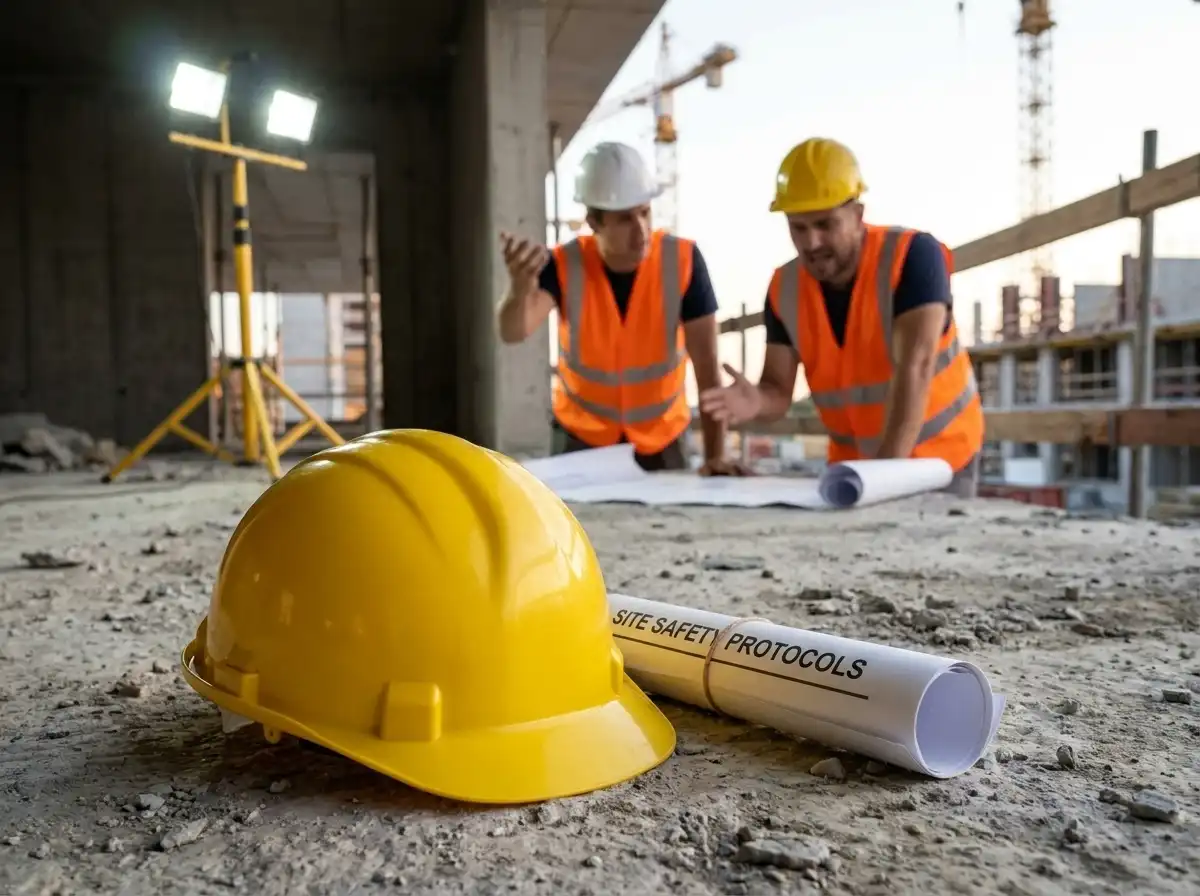
The modern construction sector is moving at a breakneck pace. Across the country, massive commercial developments, sprawling residential complexes, and critical infrastructure projects are rushing to meet strict deadlines. However, this intense operational velocity has collided head-on with an unprecedented labor shortage. To keep projects on schedule, general contractors and subcontractors are onboarding new, green personnel at a record-setting clip. While this hiring surge keeps cranes moving, it has exposed a dark and dangerous underbelly on American jobsites: a widespread safety crisis targeting inexperienced labor.
Anatomy of the First-Year Labor Safety Crisis
 A construction site is a dynamic, high-risk ecosystem. Operating safely within it requires an acute spatial awareness, deep familiarity with heavy machinery, and an absolute adherence to shifting safety protocols. Experienced tradespeople develop a protective intuition over years of field exposure. Entry-level laborers, apprentices, and recently transitioned workers lack this foundational shield.
Under intense financial pressure to perform, general contractors frequently accelerate the onboarding process. Crucial multi-day safety orientations are routinely condensed into brief, half-hour tool-box talks. First-year workers are regularly assigned to hazardous tasks—such as working near open trench cuts, rigging heavy loads, or navigating high-elevation scaffolding—without receiving the specific structural instruction required to recognize imminent danger. This labor quality and training gap leaves green workers completely exposed to the industry’s notorious “Fatal Four” hazards: falls, struck-by objects, caught-in-betweens, and electrocutions.
The Legal Truth: Why Workers’ Compensation Is Not Enough
When a first-year laborer drops from an un-guarded deck or is struck by an out-of-control forklift, the immediate corporate reaction from the employer is to file a workers’ compensation claim. Site managers often tell injured employees that workers’ comp is the exclusive and definitive remedy for their injuries. This is a strategic half-truth designed to protect corporate balance sheets.
While workers’ compensation provides vital baseline coverage for immediate medical bills and a portion of lost wages, it operates on a no-fault system. In exchange for this automatic benefit, the law grants your direct employer immunity from being sued in civil court. Unfortunately, workers’ comp benefits completely fail to account for the true financial and emotional toll of a catastrophic injury. It provides absolutely zero compensation for physical pain and suffering, emotional trauma, loss of consortium, or the complete destruction of your long-term life enjoyment.
However, an experienced injury attorney looks past the immediate employer to evaluate the broader jobsite hierarchy. Workers’ compensation immunity does *not* shield third parties. On a complex jobsite, the general contractor, the project owner, an independent safety engineering firm, or a separate prime subcontractor can all be sued if their distinct actions or systemic omissions caused the hazardous condition. This is where a third-party lawsuit rooted in supervisory negligence becomes the primary mechanism for securing true financial justice.
Defining Supervisory Negligence on the Jobsite
Supervisory negligence occurs when the entities legally tasked with managing, coordinating, and inspecting a construction site fail to uphold their non-delegable duty to maintain a safe working environment. In a third-party lawsuit, your legal team will seek to prove that the general contractor or project manager knew—or legally should have known—that unsafe operational practices were occurring under their watch. Common pillars of supervisory negligence include:
- Negligent Training and Verification: Directing an untrained, uncertified first-year worker to operate high-risk machinery, handle volatile chemicals, or execute specialized tasks without verifying their actual competency or providing mandatory OSHA-regulated safety briefings.
- Failure to Supervise and Inspect: Failing to deploy competent site superintendents to conduct mandatory daily walk-throughs. This allows obvious structural hazards—such as missing guardrails, un-shored trenches, or exposed high-voltage wiring—to persist on the site for days at a time.
- Negligent Retention of Subcontractors: Hiring or retaining a sub-contracting outfit that has a well-documented history of severe OSHA violations, poor equipment maintenance, or habitual safety bypasses, simply because they submitted the lowest financial bid.
- Rushing and Coercion: Enforcing unrealistic operational timelines that actively force workers to bypass standard tie-off procedures, skip machine lockout/tagout (LOTO) protocols, or work through dangerous environmental hazards to avoid contractual delay penalties.
The Strategy: Breaking Through the Corporate Shield
 When a severe injury occurs, general contractors and their corporate insurers instantly deploy defensive legal teams to control the narrative. Their primary defense strategy is always to deflect blame downward. They will argue that the accident was entirely the result of individual worker error, or that the exclusive responsibility for safety rested solely with a minor, under-insured subcontractor.
A seasoned construction injury lawyer counteracts this corporate deflection by weaponizing the project’s own digital and physical documentation. By executing aggressive legal discovery, your attorney will secure the project’s master contract agreements, daily logbooks, safety inspection reports, and internal electronic communications.
Under well-established statutory laws and standard construction contracts, general contractors retain an overarching, non-delegable duty to enforce the site’s comprehensive safety management plan. If the evidence shows they willfully ignored a growing labor quality gap or allowed a culture of rushed training to take root, their multi-million dollar third-party liability policies can be held legally accountable for your complete damages.
The Discovery Advantage: Corporate logs often reveal that safety managers internally flagged training gaps weeks before an accident occurred, but project leadership ignored the warnings to keep production schedules moving. This turning point transforms a simple accident into a clear-cut case of corporate supervisory negligence.
Protect Your Future After a Jobsite Injury
An industry-wide talent shortage or a tight project deadline is never a valid legal excuse to treat human lives as disposable commodities. If you or a loved one was injured on a construction site during your first year in the trade, do not let an insurance adjuster convince you that a minor workers’ comp check is all you deserve.
Take swift action to protect your legal rights. Ensure that physical evidence is photographed, witness statements are recorded, and your medical care is documented accurately. By partnering with a dedicated construction supervisory negligence lawyer, you can challenge the corporate entities who chose profit margins over human safety, ensuring your family is fully protected for the long haul.