The Rise of Biometric Monitoring on modern Jobsites
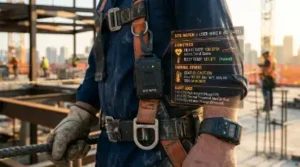
The modern construction site is no longer monitored solely by human safety inspectors and visual spot checks. Today, contractors and project management firms deploy sophisticated wearable devices engineered to prevent catastrophic injuries before they occur. Common wearable safety tools implemented on commercial and residential jobsites include:
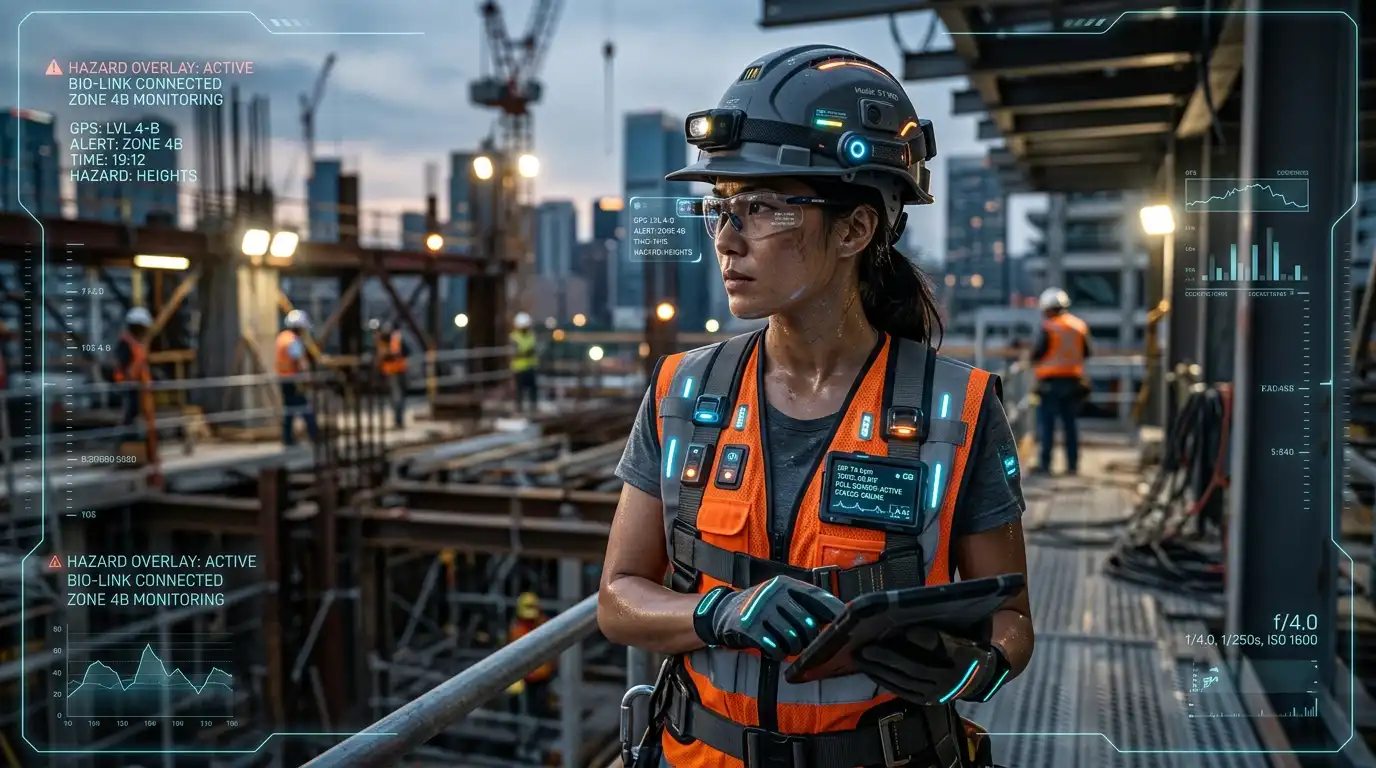
- Smart Hard Hats & Helmets: Equipped with micro-accelerometers to detect impact severity, trip events, and sudden falls, along with GPS modules for lone-worker location tracking.
- Biometric Vests & Wristbands: Designed to monitor core body temperature, heart rate, skin conductance, and pulse oximetry to flag heat exhaustion, dehydration, and cardiac strain.
- Proximity & Fatigue Sensors: Devices that vibrate to warn workers when they enter dangerous equipment swing radiuses, proximity zones near heavy excavators, or exhibit movement patterns consistent with severe physical fatigue.
While real-time biometric tracking aims to reduce accidents, it introduces significant questions when a worker suffers an injury on duty. The core issue centers on how the data generated by these devices is collected, analyzed, and preserved for litigation.
How Wearable Telemetry Impacts Workers’ Compensation Claims
Workers’ compensation operates as a strict no-fault legal framework. Under standard state guidelines, an injured construction worker is entitled to medical coverage, disability benefits, and wage replacement regardless of whether their own mistake or an employer’s ordinary negligence caused the incident.
However, sensor telemetry from wearable equipment changes how claims are investigated and processed:
1. Verifying Claim Authenticity and Incident Timing
One of the primary friction points in workers’ compensation claims is verifying the precise time, mechanism, and severity of an injury. Accelerometers in smart hard hats and torso harnesses record exact timestamped deceleration data. This telemetry makes it easier to establish that an injury occurred directly within the scope and course of employment, counteracting insurance denials that claim an injury occurred off-site.
2. Overcoming Pre-Existing Condition Defense Strategies
Insurance carriers frequently attempt to deny complex workers’ comp claims by arguing that back injuries, soft-tissue tears, or cardiac events were caused by pre-existing degenerative conditions. Continuous physiological logs—such as baseline heart rate profiles and movement telemetry—can help prove that an acute jobsite event triggered or exacerbated the medical crisis.
3. Addressing Intoxication or Misconduct Allegations
Insurance adjusters occasionally cite statutory exclusions—such as employee intoxication or willful safety violations—to reject claims. Precise sensor logs showing steady gate patterns, normal vital signs, and compliance with safety boundaries prior to an equipment failure help refute unfounded defense allegations.
Beyond Workers’ Comp: Unlocking Third-Party Liability Claims
Because workers’ compensation benefits generally limit financial recovery to medical expenses and a fraction of lost earnings, catastrophic injuries often require pursuing third-party personal injury lawsuits. Third-party claims target entities outside the worker’s direct employer, such as general contractors, property owners, equipment manufacturers, or software developers.
Wearable devices and biometric monitors open critical pathways for third-party product liability and negligence claims:
A. Third-Party Product Liability Against Sensor Manufacturers
If a wearable proximity sensor fails to alert a worker that an excavator is reversing, or if a smart harness fall-detection sensor fails to send a distress call due to firmware bugs or hardware defects, the manufacturer may face strict product liability claims. When safety technology fails to perform as marketed, injured workers can seek full compensation for pain and suffering, loss of enjoyment of life, and unadjusted future lost wages through third-party lawsuits.
B. Gross Negligence and Ignored Hazard Alerts
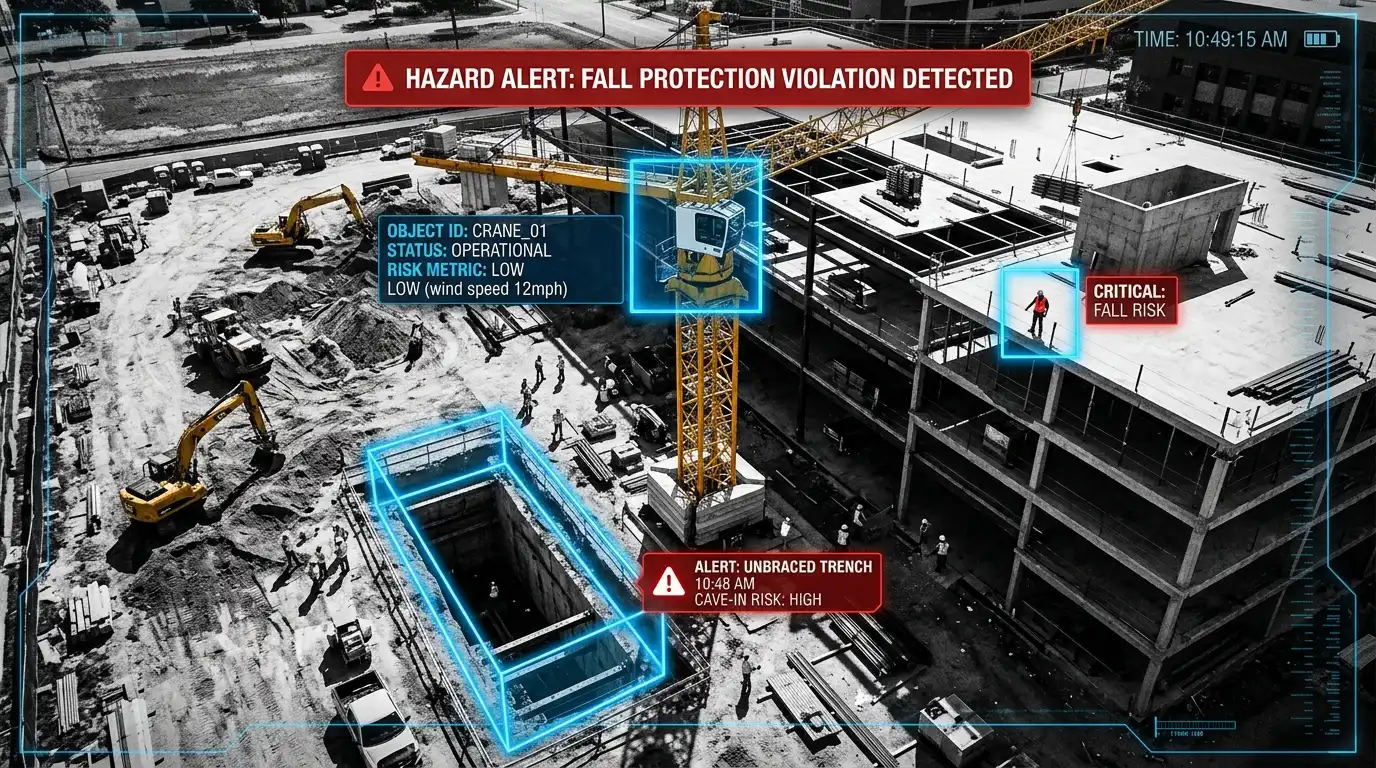
While workers’ compensation typically shields direct employers from standard negligence lawsuits, general contractors and site developers must maintain safe working environments. If centralized safety management software receives automated alerts indicating dangerous heat index levels, elevated worker core temperatures, or hazardous trench conditions, but management fails to order a stand-down, that failure can constitute gross negligence or deliberate indifference.
Crucial Legal Challenge: Evidence Spoliation & Data Control
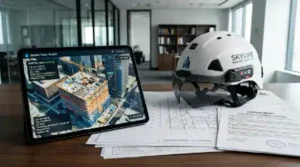
The primary hurdle in wearable technology injury cases is data custody. The employer, general contractor, or third-party technology vendor almost always controls the cloud servers, proprietary software algorithms, and hardware logs associated with wearable gear.
When an accident occurs, critical telemetry risk being overwritten, erased during system updates, or intentionally withheld. In legal terms, the destruction or alteration of evidence is known as spoliation.
Immediate Action Required After a Wearable Safety Incident:
To protect an injury claim involving wearable technology, legal teams must immediately issue a formal Spoliation of Evidence Letter to all involved entities—including the employer, site owner, and wearable tech provider—demanding the permanent preservation of all raw sensor outputs, cloud sync logs, battery health records, and system calibration reports.
Employers and general contractors must also remain compliant with federal workplace safety standards. Implementing wearable sensors does not exempt employers from baseline safety mandates enforced by the Occupational Safety and Health Administration (OSHA). Relying solely on automated alerts without providing standard physical fall protection or engineering controls still constitutes a severe violation of federal law.
Privacy Regulations and Biometric Data Usage
Biometric monitoring raises significant privacy concerns. Real-time heart rate monitoring, stress metrics, and continuous GPS location tracking touch upon sensitive personal medical data. Modern legal strategies must evaluate whether an employer improperly shared employee health metrics with third-party insurance adjusters or used safety wearable data inappropriately to retaliate against an injured worker.
Conclusion: Navigating Tech-Driven Construction Injury Claims
As wearable safety devices and biometric monitors become standard across construction sites, they fundamentally alter how workplace accidents are investigated, proved, and litigated. While this technology provides undeniable safety benefits, the complex digital paper trail it leaves behind requires rigorous legal oversight to ensure injured workers receive full compensation from both workers’ compensation systems and negligent third-party manufacturers.